
Find The Needle Machines and Tech Tree (2026): Upgrade Order
A guide to Find The Needle's 300+ upgrade tech tree and machine tiers: what to unlock first, how the five production stages fit together, and what to skip.
Find The Needle has a 300+ upgrade tech tree and five production stages. That is the progression engine behind the six-million-strand haystack. The store does not publish the tree's layout or the cost of each node, so this guide focuses on the decisions the tree forces: what to unlock first, which machines feed which products, and when a new tier is a trap rather than an upgrade.
Based on the Steam store listing and public demo as of November 2, 2026. The 300+ upgrade count and five production stages are from the store page. Individual node names, costs and prerequisites are not published; where this page names a machine, it is because the store lists that machine type, not because we know its exact tech-tree position.
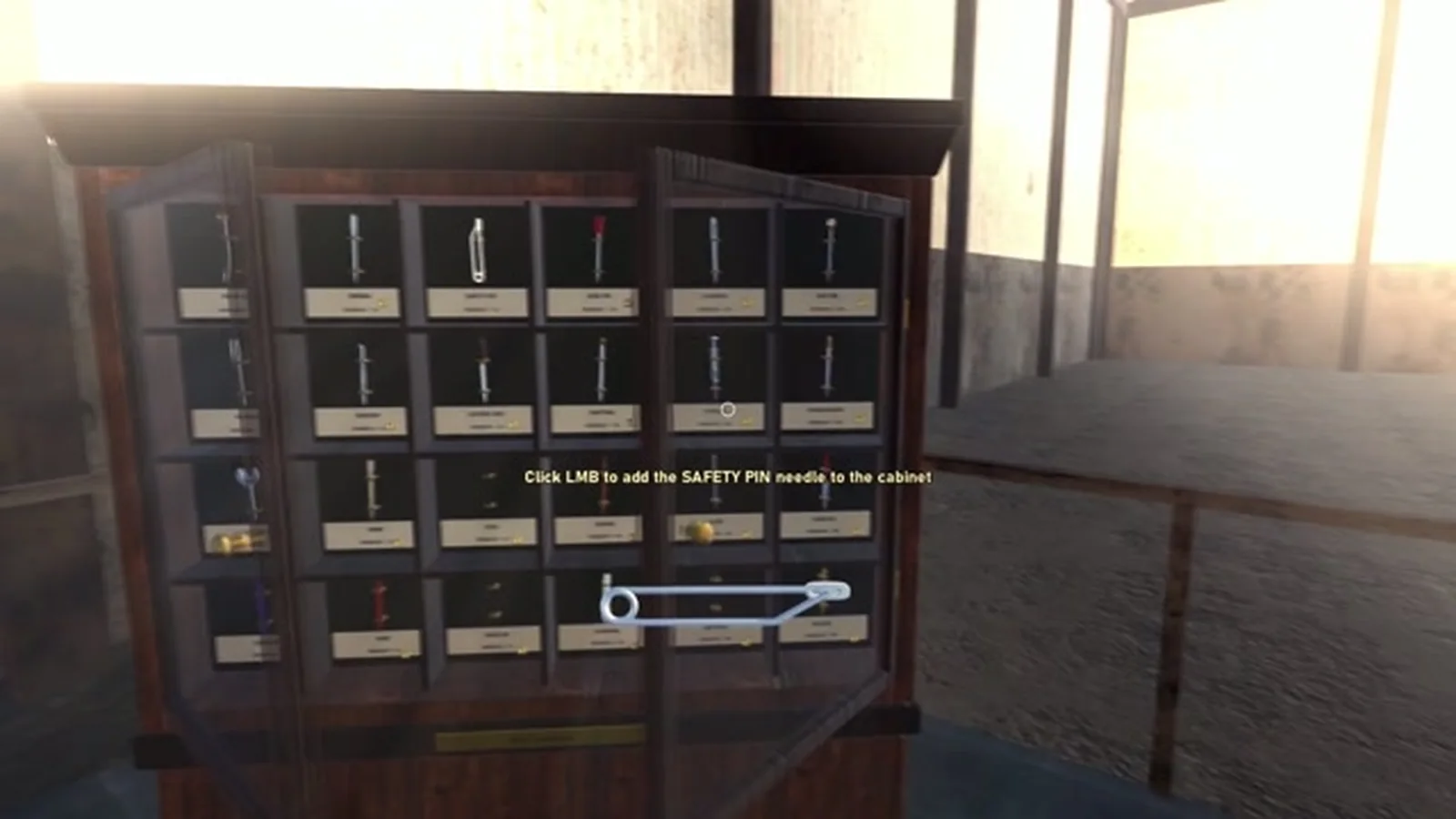
What the tech tree is for
A tech tree in a factory game does three jobs:
- Gates complexity. You cannot build bioplastic on day one; you unlock the chain in stages.
- Creates spending decisions. Money spent on one branch is money not spent on another.
- Extends the game. The Standard pile is 7–10 hours; the Mountain pile is 30+ hours. The tree is how the longer pile stays interesting.
The 300+ number is large, but not every node is a new machine. Some are upgrades to tools, carry capacity, speed, power or processing. The useful question is not “how many nodes are there?” but “which branch removes my current bottleneck?”
The five production stages
The store says five production stages without naming them. A sensible reading, based on the product list, is:
- Raw hay — dig, carry, sell.
- Basic processing — hay pulp, compressed bales.
- Fabrication — eco bricks, hay paper, pellets.
- Advanced materials — bioplastic.
- High-tech materials — carbon fibre.
This is an interpretation, not a confirmed sequence. The store lists the products but not their exact tech tier. Treat the stages as a mental model: each one adds machines, power and a longer chain.
The first unlocks that matter
Carry capacity
The least glamorous upgrade is usually the best. More hay per trip means more money per minute, which means faster access to everything else. If the tree offers a bucket, cart or capacity node early, take it.
Movement
A wheelbarrow or a shortcut is not a “movement stat” in the abstract; it is time. If the walk from the pile to the sell point is long, movement upgrades beat digging upgrades.
Dig speed
Once carrying is solved, dig speed becomes the limiter. A better shovel or a digging upgrade lets you fill the new capacity. Do not buy dig speed first if you cannot carry the extra hay.
Detection
The metal detector or scanner is a different branch. It does not increase hay income, but it changes the needle hunt from random to targeted. Buy it when you are ready to hunt, not when you are still building the first belt.
First processing machine
A baler or pulp machine turns surplus hay into a higher-value product. This is the transition from “selling a raw material” to “running a factory.” Buy it when you have more hay than you can sell in a trip.
Power
A processing machine without power is furniture. The power branch is not optional once you automate. Unlock the smallest power solution that covers your current machines, then expand when you add a second line.
Machine categories
The store lists these machine and tool types:
| Category | Examples | Job |
|---|---|---|
| Digging | Shovel, vacuum, pitchfork | Remove hay from the pile |
| Carrying | Bucket, wheelbarrow | Move hay to the sell point or belt |
| Detection | Metal detector, scanner | Find needles or inspect material |
| Transport | Conveyor belts, pipes | Move items between machines |
| Processing | Baler, hay wrapper, paper machine | Turn hay into saleable products |
| Sorting | Sorting machine | Separate product types |
| Automation | Robotic arms, robots, drones | Replace manual handling |
| Power | Power generation and distribution | Run the machines |
The exact machine names in the game may differ. The categories are what matter for planning.
Upgrade order by bottleneck
Use this decision table instead of a fixed shopping list:
| Symptom | Bottleneck | Buy |
|---|---|---|
| Trips take too long | Carry or movement | Capacity, cart, shortcut |
| Hands fill too fast | Dig speed | Better shovel or digging upgrade |
| Hay piles up at the sell point | Sell rate | Second sell point or processing |
| Belt is full, machine idle | Machine input | Check connection, power, input side |
| Machine full, belt empty | Pickup | Faster digging or more pickup points |
| Products pile up | Demand | Delivery order or higher-value product |
| Needles take forever | Detection | Metal detector or scanner |
| Factory stops when you leave | Automation | Robot, arm or automatic feeder |
The table is deliberately about symptoms. A tech tree with 300+ nodes is too large to memorize; the bottleneck tells you which branch to read.
What to skip (for now)
- Cosmetic or comfort upgrades before capacity. They do not improve the loop.
- A second processing line before the first one runs at full input.
- Late-game materials before you have a stable mid-game product. Bioplastic and carbon fibre need a chain you do not have yet.
- Robots and drones before a belt line works. Automation on top of a broken layout multiplies the mess.
- A bigger power plant before you have machines to use it. Power capacity without demand is wasted money.
Skipping is not permanent. It is sequencing.
Reading the tech tree efficiently
- Open the tree and find the current tier. Do not read every node.
- Look for nodes that remove your bottleneck. Ignore everything else.
- Check the prerequisite chain. A node may require two earlier nodes you have not bought.
- Compare the cost to the next tool. If the node costs more than a direct upgrade that solves the same problem, buy the direct upgrade.
- Buy one node, test it, then return. Do not buy a whole branch at once; you will not know which node helped.
The tree is a menu, not a checklist. You do not need every node to finish the Standard pile.
Machines and the product chain
The machine you buy should match the product you are trying to sell. The store lists these product families:
- hay pulp
- compressed bales
- eco bricks
- hay paper
- pellets
- bioplastic
- carbon fibre
Each family implies a different machine set. Before buying a machine, decide which product it makes and who buys that product. A machine that makes a product with no demand is a very expensive decoration.
The hay products guide maps the products to their likely chains. The automation guide covers how to move the output.
A practical first-hour tech plan
- Buy the cheapest capacity upgrade.
- Buy the cheapest movement upgrade if the walk is long.
- Buy one dig-speed upgrade.
- Save for the first processing machine.
- Unlock the smallest power source.
- Build one belt from the pile to the machine.
- Test a full cycle.
- Buy detection when you want to hunt needles.
- Expand the line only when it is consistently full.
That plan will not fit every player's layout, but it follows the bottleneck instead of the shiny node.
Related pages
Sources
Steam store page and appdetails for App ID 5160800, plus the public demo, checked November 2, 2026. The 300+ upgrade count, five production stages, tool list, machine list and product list are from the store. Exact node costs and prerequisites are not published.
Related Find The Needle Guides
A Steam wiki for Find The Needle by Needless Games: the six-million-strand haystack, 24 needles, money loop and factory automation for the 2026 EA launch.
Find The Needle has no Steam Achievements listed as of November 2, 2026. What that means, likely milestones, and how to prepare without fake unlock lists.
A structural guide to automating Find The Needle: manual vs semi-auto vs full-auto, belt layout, machine order, power and the bottlenecks that stall a factory.
A practical opening route for Find The Needle on Steam: what to dig, when to sell, which upgrades to buy first, and the mistakes that stall new factories.
How conveyors work in Find The Needle: placing a line, changing direction, reversing and enclosing belts, plus the layout mistakes that stop a factory.
How to install the free Find The Needle demo, what the Steam demo build includes, what it leaves out, and whether progress carries into Early Access.
More Find The Needle Guides
Find The Needle playtime estimates: 7–10 hours on the Standard pile, 30+ hours on Mountain. Plus what is known about the ending and 24-needle completion.
Answers to the most common Find The Needle questions: release date, price, demo, Early Access, multiplayer, Steam Deck, needles, playtime and mods.
Every hay product listed for Find The Needle — pulp, bales, eco bricks, paper, pellets, bioplastic and carbon fibre — and how to decide what to process first.
How to make money in Find The Needle: raw hay vs processed goods, delivery orders, reinvestment order, and why there is no universal best money farm yet.
Find The Needle is single-player only on Steam, with no co-op, no multiplayer and no Workshop support listed. Here is what the tags mean and how mods may work.
Find The Needle has 24 needles total, per the Steam store. How the hunt works, how to search efficiently, and why there is no public location list.
Find The Needle's Steam price was not announced as of November 2, 2026. Here is how to check it, what Early Access includes, and why the demo matters.
Find The Needle releases on Steam Early Access on November 6, 2026. Here is what is confirmed, what is not, and what to check on launch day.